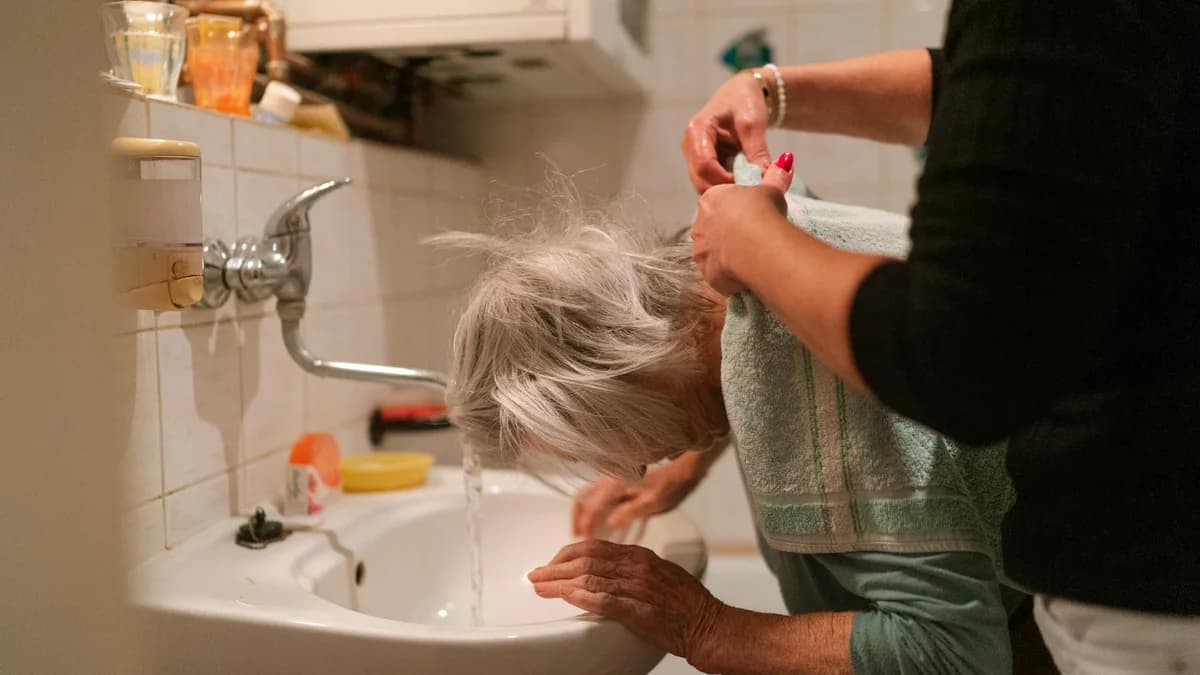
Most stroke recovery happens at home — yet homes are rarely set up for it. Rugs curl, hallways stay dim, and bathrooms become the most dangerous room in the house.
A structured safety pass takes an afternoon and prevents setbacks that can undo weeks of progress.
Why home safety matters for recovery
Falls are one of the leading causes of re-hospitalization after stroke. Beyond injury, a fall can shake confidence, reduce activity, and slow rehabilitation.
Safety work is not about turning your home into a hospital. It is about removing predictable hazards so daily movement feels safer and more independent.
Entryway and hallways
- Remove loose rugs or secure them with non-slip backing
- Clear clutter from paths — shoes, bags, cords
- Add night-lights on the path from bedroom to bathroom
- Install grab bars where balance is weakest (long hallways, stair landings)
- Mark step edges with contrasting tape if vision or depth perception is affected
Hallways should be wide enough for a walker or cane without catching on furniture.
Bathroom
The bathroom is the highest-risk room for most survivors.
- Grab bars near the toilet and inside the shower — anchored to studs, not suction-only mounts
- Non-slip mat inside the tub or shower and on the floor outside
- Shower chair or bench if standing fatigue is an issue
- Raised toilet seat if hip or knee flexion is limited
- Keep essentials within reach — no bending or reaching behind the body
Consider a handheld showerhead so you can sit while bathing.
Bedroom
- Bed height where feet rest flat on the floor when sitting on the edge
- Clear path from bed to door — no trailing blankets or cords
- Phone or alert device within arm's reach at night
- Lamp switch reachable from bed without standing
If one side of the body is weaker, arrange the room so you get out of bed on the strong side first.
Kitchen
- Move frequently used items to waist-height shelves — avoid overhead reaching
- Use a stable step stool with a handrail if higher shelves are necessary
- Replace glassware with plastic or shatter-resistant options during early recovery
- Mark hot vs. cold taps clearly if sensation is reduced
- Sit to prep when fatigue is high — a counter-height stool helps
One-handed tools (jar openers, rocker knives, non-slip mats) reduce frustration during meal prep.
Living areas
- Secure cords along walls or under covers
- Furniture with arms makes sitting and standing easier
- Adequate lighting for reading, walking, and hobbies — add floor lamps where overhead light is weak
- Remote controls and phones in consistent spots so you are not searching while off-balance
Stairs
If stairs are unavoidable:
- Handrail on both sides when possible
- Good lighting at top and bottom
- Non-slip treads on each step
- One step at a time, same foot leading — no rushing
Some survivors temporarily relocate sleeping and bathing to one floor. That is a reasonable short-term adaptation, not a failure.
Involve your caregiver in the walkthrough
Caregivers often notice hazards survivors miss — low cords, wet floors, cabinet doors left open. Walk every room together and write fixes on a shared list.
Prioritize changes that address the three most common trips: bathroom transfers, nighttime bathroom visits, and kitchen reaching.
When to get a professional assessment
An occupational therapist can do a formal home evaluation and recommend equipment you might not think of — reachers, dressing aids, shower systems, doorway widening.
Insurance sometimes covers part of this. Ask your discharge planner or therapist before you buy.
Tools that help
HomeStroke.com offers room-by-room checklists, product guidance, and setup tips built specifically for post-stroke homes. Use it alongside your therapist's recommendations.
Quick checklist summary
- Clear all walking paths
- Secure bathroom with grab bars and non-slip surfaces
- Improve lighting, especially at night
- Move daily items to easy reach
- Review stairs and entryways
- Re-check monthly as mobility improves
Home safety is ongoing. As you get stronger, some adaptations come out; others stay. The goal is a home that supports independence — not one that waits for an accident to tell you what to fix.